Finding the Right Heavy Equipment Parts: A Comprehensive Guide
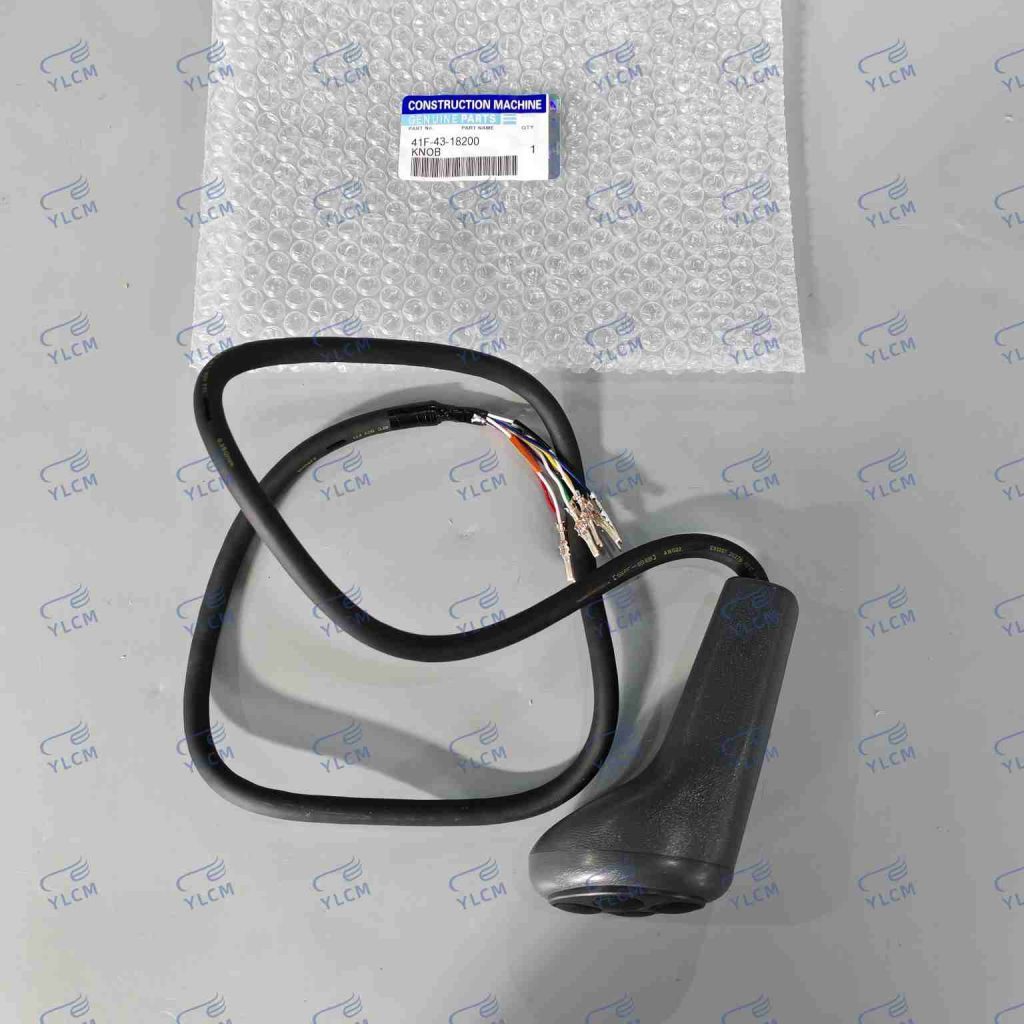
Locating the appropriate heavy equipment parts can be a challenging task for any fleet manager . Our guide delivers a complete look at approaches for sourcing reliable aftermarket heavy equipment parts. Consider factors like manufacturer suitability, stock , rate, and logistics durations to ensure the maintenance team acquire accurately what your machine needs. Avoid settling for subpar options – acquiring in quality heavy equipment parts is going to improve the machine’s durability and lessen site delays.
Heavy Equipment Parts : Boosting Operational Time & Reducing Expenditures
Maintaining a fleet of heavy machinery demands a strategic approach to heavy equipment parts management. Unplanned malfunctions can quickly disrupt project schedules and drive up operational expenses . Therefore, focusing on quality heavy equipment parts, establishing a scheduled maintenance program, and optimizing parts supply levels are essential to boosting productivity and minimizing total costs. Sourcing manufacturer's heavy equipment parts can typically be more economical in the long term due to enhanced wear longevity and reduced repair frequency.
Vital Heavy Equipment Parts You Need Know
Maintaining your fleet relies heavily on understanding critical heavy equipment parts. Regular maintenance starts knowing the role of core items like hydraulic hoses, motor filters, undercarriage belts , and pins . Ignoring these necessary elements can cause costly component breakdowns and impact site output . Understanding yourself with these core heavy equipment parts can keep your construction processes working smoothly.
Sourcing Authentic Heavy Equipment Parts: What to Look For
Finding genuine backup heavy equipment parts for your heavy-duty equipment can be a challenge , but ensuring parts validity is critical . Look for vendors who are affiliated with the maker directly, offering traceable production sources . Examine the shipping container for official markings and confirm part serials against the original equipment system. Beware of unusually reduced prices , as they often point to fake items. Finally, evaluate feedback from other fleet owners regarding the vendor's reputation and consistency in delivering quality heavy equipment parts.
Replacing Heavy Equipment Parts: A Detailed Guide
When your construction machines has malfunctions with specific components, replacing heavy equipment parts is often essential to maintaining productivity . This handbook offers a simplified step-by-step procedure for many heavy equipment parts replacements . First, thoroughly determine the appropriate component number. Then, collect the required instruments and protective attire. Next, disconnect any pneumatic linkages and safely support the damaged machinery component. Finally, take off the existing element and install the new one, undoing the disassembly procedures . Always check your machinery's particular service guidebook for precise instructions .
Common Heavy Equipment Parts Malfunctions & How to Avoid Them
Many large machine users face recurring challenges due to premature heavy equipment parts malfunction. Frequently , hydraulic lines crack due to high pressure , leading fluid leaks and reduced output. Sprockets experience damage from rough terrain, while diesel engines can suffer from excessive heat if maintenance is overlooked . To reduce these situations , regular component inspections are crucial , including checking oil levels, undercarriage pressure, and mesh condition. Proper oiling of moving heavy equipment parts, alongside following manufacturer instructions for servicing, can significantly increase the lifespan of your machinery and diminish costly repairs .
The Future of Heavy Equipment Parts: Technology & Innovation
The landscape of heavy equipment parts is undergoing a dramatic shift , fueled by rapid technological advancements and pioneering solutions. We’re seeing a move beyond traditional distribution networks towards more integrated platforms. AI is ready to play a key role, predicting heavy equipment parts breakdowns before they occur and improving maintenance schedules. Furthermore, on-demand fabrication promises localized component production, reducing lead times and boosting responsiveness. Expect to see a greater priority on telematics , allowing technicians to resolve component issues digitally. The future includes:
- Proactive heavy equipment parts replacement
- Blockchain technology for part traceability
- Advanced sensors for instant component assessment
- Eco-friendly parts and remanufacturing practices
This combination of technologies delivers a more efficient and dependable future for heavy equipment parts, aiding fleet operators and maintenance crews alike.
Understanding Heavy Equipment Parts Numbers & Compatibility
Navigating the world of replacement heavy equipment parts can be tricky , particularly when attempting to find the accurate part for your bulldozer . Understanding heavy equipment parts numbers and undercarriage fit is crucial for minimizing costly ordering blunders and ensuring peak operational performance . These OEM designations are unique identifiers, often containing manufacturer data and exact Heavy Equipment Parts component specifications . Meticulous research, consulting the machine’s manual, or utilizing virtual heavy equipment parts directories are recommended steps to confirm right component choice and avoid conflicts.
Cost-Effective Solutions for Heavy Equipment Parts
Finding affordable spare heavy equipment parts for your construction gear doesn't have to be a challenging process. Many choices exist to reduce spending without sacrificing performance . Consider researching remanufactured heavy equipment parts, which often offer substantial savings compared to factory original OEM pieces . Furthermore, sourcing directly from specialized heavy equipment parts distributors or utilizing B2B websites can often expose even greater chances for cost-effective component sourcing.
Heavy Equipment Parts: Upkeep Tips for Durability
To maximize the operation of your critical heavy equipment parts, preventative servicing are crucial. Routine examination of core heavy equipment parts such as buckets, air cleaners, and belts can identify minor faults before they become significant repairs. Always adhere to the manufacturer's suggested lubrication frequency and use only high-quality heavy equipment parts for substitutions. Finally, proper storage of parts when in transit will minimize wear and contribute to their overall longevity.
Finding the Ideal Suppliers for Your Heavy Equipment Parts Needs
Securing reliable heavy equipment parts for your machinery fleet is essential to preserving operational output. Selecting the correct heavy equipment parts suppliers requires meticulous consideration. Review potential vendors based on aspects such as component range, costs , delivery times , and technical support . Consider suppliers with a demonstrated track record, positive reputation, and the capacity to provide quality heavy equipment parts promptly . Don't overlook to ask for industry testimonials and compare quotes from various sources before making a ultimate determination.
Specialized Heavy Equipment Parts: A Detailed Analysis
Procuring quality heavy equipment parts and construction machinery components requires the knowledge of specific requirements. These aren't your standard machinery items; they’re critical for the functionality of significant machines like excavators and cranes . Obtaining the appropriate replacement heavy equipment parts involves considering elements such as manufacturer suitability , series code, and composition features. A thorough review of these aspects ensures minimal downtime and peak machine productivity . Furthermore, the accessibility of experienced guidance can be immensely helpful when dealing with these intricate heavy equipment systems .